Organizing a Small Living Room to Maximize Space
In many homes, the living room serves as the central gathering place, yet it is often one of the most challenging areas to organize, especially when square footage is limited. A compact living room does not have to feel cramped or cluttered; with thoughtful planning and strategic choices, it can become a functional and inviting space. The key lies in understanding how to utilize every inch effectively, from the floor plan to the vertical planes. This article explores practical methods for arranging furniture, incorporating storage solutions, and making design choices that enhance the perception of space, all while maintaining a comfortable atmosphere.
When dealing with a small living room, the objective is not merely to fit furniture into the room, but to create a layout that promotes easy movement and a sense of openness. This involves evaluating the room’s proportions, identifying focal points, and selecting pieces that serve multiple purposes. Additionally, vertical storage emerges as a powerful tool, as it draws the eye upward and frees up valuable floor space. By combining these strategies, it is possible to transform a cramped area into a well-organized and visually appealing living space.
Assessing Your Space and Defining Needs
Before making any changes, it is essential to take a comprehensive look at the living room and understand its dimensions, architectural features, and existing traffic patterns. Begin by measuring the length and width of the room, noting the locations of doors, windows, and any built-in elements such as radiators or alcoves. This information serves as the foundation for planning a layout that works with the space rather than against it. Also, consider how the room is currently used: Is it primarily for entertaining, watching television, reading, or a combination of activities? Identifying the main functions will help prioritize which elements are essential and which can be minimized or eliminated.
Another important aspect is to consider the flow of movement through the room. In a small space, a cluttered or poorly arranged layout can make the area feel even more confined. Think about natural pathways that people will take, such as from the entrance to a seating area or from one side of the room to another. These pathways should be kept clear, with at least a few feet of width for comfortable passage. Additionally, examine the focal points of the room, such as a fireplace, a large window, or a media console. In small living rooms, it is often best to emphasize one focal point to avoid visual confusion. By carefully defining the space’s function and traffic flow, you set the stage for making informed decisions about furniture placement and storage solutions.
Strategic Furniture Arrangement
Furniture arrangement is perhaps the most critical element in maximizing a small living room. The goal is to create a balanced composition that provides ample seating without overwhelming the space. One effective strategy is to use a sectional sofa that fits into a corner, maximizing seating while minimizing the footprint. Alternatively, a loveseat paired with two armchairs can offer flexibility and a more open feel than a large sofa. When arranging seating, avoid pushing all furniture against the walls; instead, create intimate groupings that encourage conversation and define separate zones. For example, placing a sofa and two chairs around a central coffee table creates a cozy gathering area, leaving the perimeter free for circulation or additional storage.
Another key principle is to choose furniture with sleek, low profiles. Pieces with raised legs give the illusion of more floor space by allowing light to pass underneath, making the room feel airier. Transparent or glass tables, such as a glass coffee table or acrylic side tables, further reduce visual bulk. Multi-functional furniture is also invaluable in small living rooms. An ottoman that doubles as storage, a coffee table with shelves, or a sofa bed for overnight guests can serve multiple purposes without occupying extra space. Additionally, consider arranging furniture to take advantage of natural light. Placing seating near windows can make the room feel larger and more inviting. By carefully selecting and positioning furniture, you can create a functional layout that makes the most of every square foot.
Utilizing Vertical Storage Solutions
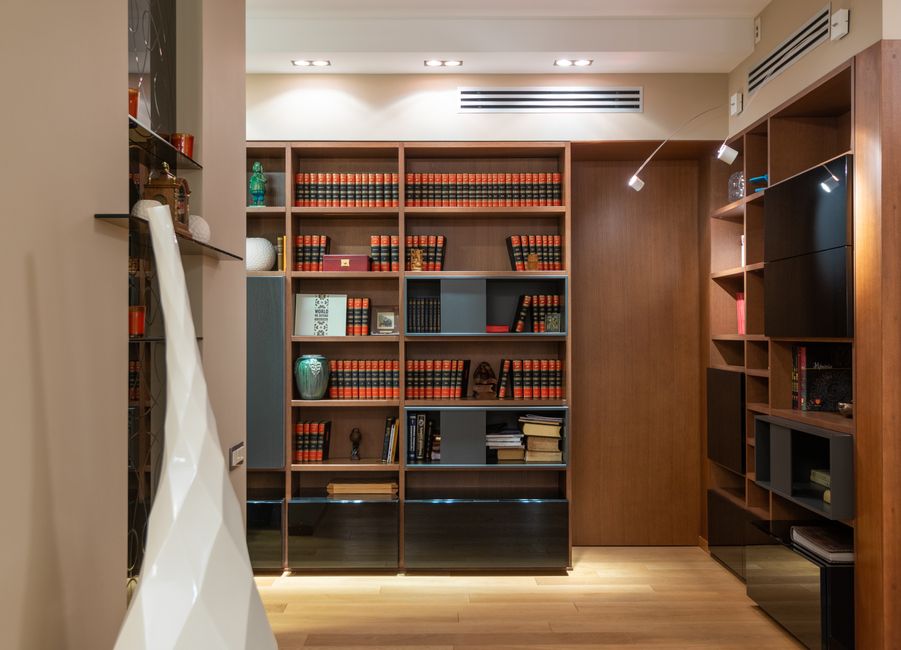
When floor space is limited, looking upward is essential. Vertical storage is a powerful way to keep belongings organized without sacrificing valuable floor area. Tall bookshelves, wall-mounted cabinets, and floating shelves can house books, décor, media, and other items while drawing the eye upward, making the ceiling appear higher and the room more spacious. When choosing vertical storage, consider the scale: a floor-to-ceiling bookcase can become a stunning focal point, but it should not overwhelm the room. Alternatively, modular shelving systems can be customized to fit the exact dimensions and can be rearranged as needs change.
In a small living room, every wall can be used for storage, but it is important to balance functionality with aesthetics. Open shelving can display attractive items and keep essentials within reach, but it requires disciplined organization to avoid a cluttered look. Closed cabinets, on the other hand, hide away clutter and create a cleaner visual environment. A combination of both can be effective: use open shelves for frequently used or decorative items and closed cabinets for less attractive belongings. Additionally, consider using the space above windows and doors for storage or decorative elements. This often-overlooked area can accommodate baskets or plants, adding interest without taking up usable floor space. By incorporating vertical storage, you can significantly increase the storage capacity of a small living room, making it tidier and more spacious.
Clever Organization and Decluttering Techniques
An organized living room depends not only on storage solutions but also on effective decluttering practices. The first step is to remove items that do not serve a purpose or bring joy. This process involves examining every object in the room and deciding whether to keep, donate, or discard it. A good rule of thumb is to keep only items that are useful, beautiful, or meaningful. Once the clutter is removed, it becomes easier to see the space’s potential and to assign a specific place for each remaining item. For instance, remote controls, magazines, and other small items can be corralled into decorative trays or boxes in a designated spot, preventing them from piling up on surfaces.
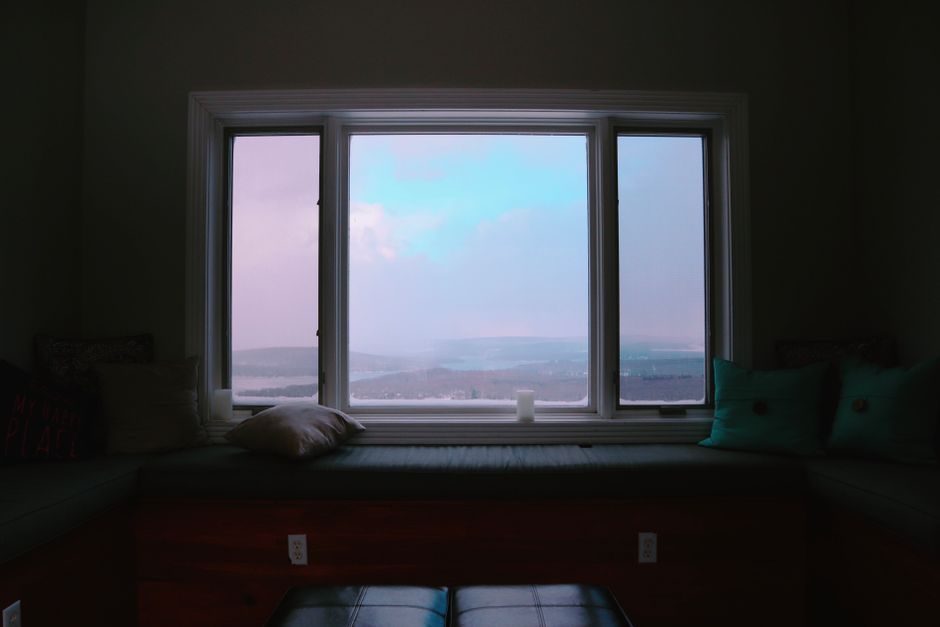
In addition to decluttering, consider incorporating hidden storage solutions that blend with the décor. Pieces like storage benches, window seats with built-in drawers, and hollow ottomans provide ample space for stowing away items like throws, pillows, or board games. These pieces can be placed near seating areas without being obtrusive. Another technique is to use the space under the sofa for storage, with specially designed bins or drawers that slide out. By strategically hiding away items, you can maintain a clean and serene environment. Furthermore, establishing a regular decluttering routine can prevent future clutter from accumulating. According to professionals, the key to a long-term organized space is to return items to their designated homes after each use. By doing so, a small living room can remain tidy and functional, even with continuous daily use.
Design Choices to Enhance Spaciousness
The visual perception of a room is heavily influenced by color, lighting, and décor. In a small living room, these elements can be used to create a sense of airiness and expansion. A light and neutral color palette, such as whites, beiges, and soft grays, tends to reflect light and make walls recede, making the room feel larger. Darker colors, on the other hand, can make a space feel more enclosed, so they are best used sparingly as accents, such as in pillows or a feature wall. To add depth and interest, consider using a monochromatic scheme with varying shades of the same color. This creates a cohesive and uncluttered look that visually expands the space.
Lighting also plays a crucial role in creating a spacious feel. Natural light is the most effective way to open up a room, so minimize the use of heavy curtains and instead opt for sheer or light-filtering window treatments. For nighttime, layer different sources of light, such as overhead fixtures, floor lamps, and table lamps, to illuminate the entire room evenly and avoid dark corners. Strategic placement of mirrors can also amplify light and give the illusion of additional space. A large mirror placed opposite a window can reflect light and visually double the room’s depth. Additionally, choose window treatments and furniture that do not obstruct light flow. By making deliberate design choices, you can craft a living room that feels considerably more spacious and inviting.
Zone Creation and Multipurpose Ideas
In a small living room, creating distinct zones can increase functionality and make the space feel more organized. If the living room is combined with a dining area or a home office, it is essential to visually separate these functions. This can be achieved using area rugs to define each zone. For example, a rug under the seating area can anchor the conversational space, while a different rug or a console table can delineate the work or dining area. Alternatively, a room divider, such as a folding screen or a shelving unit, can provide physical separation without making the space feel closed off.
Multipurpose furniture and clever layout can further enhance the functionality of a small living room. A wall-mounted folding table can serve as a desk or a dining table when needed, then be tucked away to free up floor space. Sofas with built-in chaise lounges or hidden compartments offer additional seating and storage. Additionally, consider incorporating elements that serve dual purposes, such as a window seat that doubles as a bookcase or an entertainment center with sliding doors that conceal the television when not in use. By thinking creatively about how each piece can serve multiple functions, you can create a versatile living room that adapts to various needs. This approach not only maximizes space but also adds a level of sophistication to the overall design.
Ultimately, organizing a small living room is a process of thoughtful planning and creative problem-solving. By assessing the space, arranging furniture strategically, utilizing vertical storage, decluttering, and making smart design choices, it is possible to create a living area that feels both spacious and cozy.
In conclusion, maximizing space in a small living room involves a holistic approach that integrates furniture arrangement, storage solutions, and design aesthetics. Each step, from understanding the space to implementing multipurpose ideas, contributes to a more organized and welcoming environment. The strategies discussed here are meant to serve as a guide, and it is essential to adapt them to individual preferences and lifestyle. Whether it is a cozy reading nook or a lively entertainment hub, a small living room can be transformed into a functional and stylish area that makes the most of every square foot.